KeltoVis Lutein
Lutein + Zeaxanthin in an ingredient-led daily food supplement reference, written for readers comparing labels rather than looking for a quick answer.

What this page covers
KeltoVis Lutein is presented here as a label-reading reference. The formula brings lutein and zeaxanthin from marigold extract together with vitamin C, zinc and vitamin E. Lutein is a natural carotenoid included as part of the KeltoVis Lutein daily supplement formula. Zeaxanthin is a carotenoid naturally present in leafy vegetables, included as part of the KeltoVis Lutein daily formula.
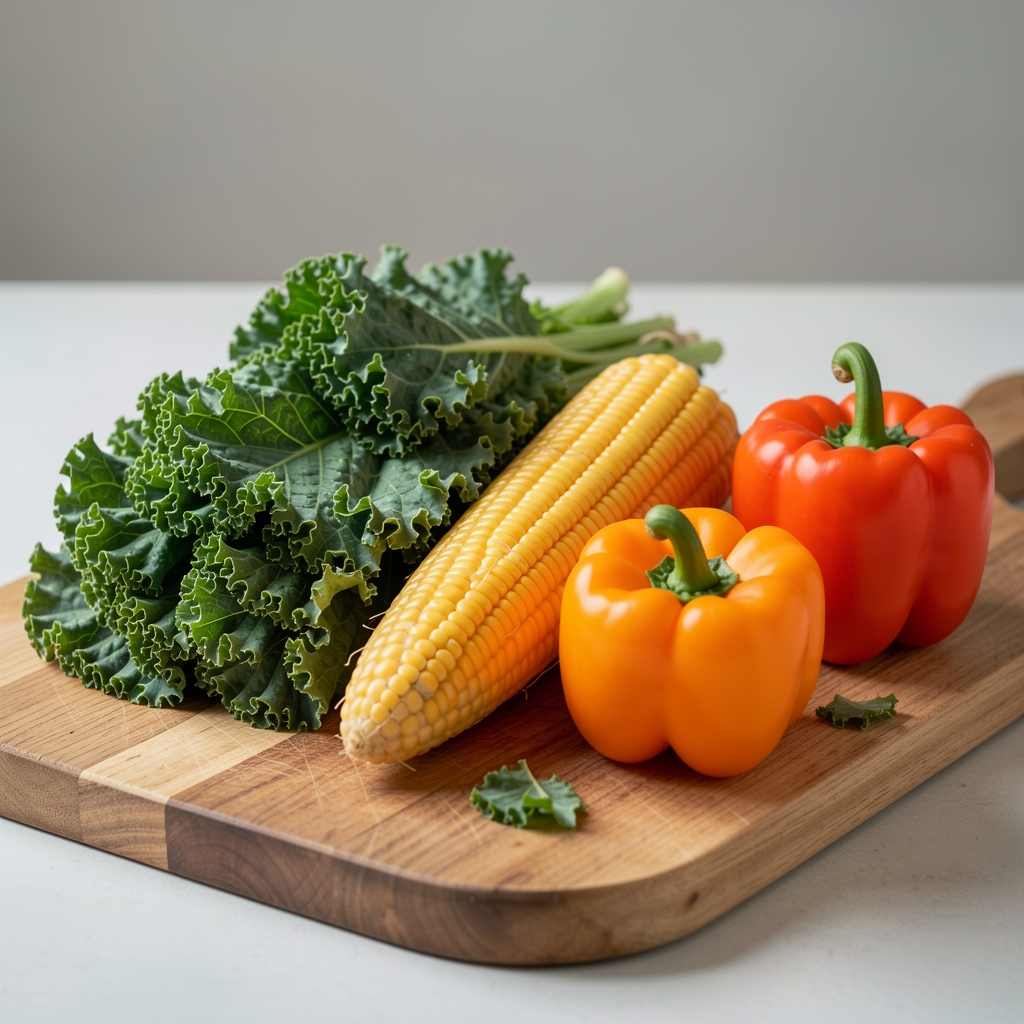
A food-first routine remains the wider context. Spinach, kale, peas, egg yolk, corn and colourful peppers can all contribute to a varied eating pattern. A supplement can be considered as one small part of that pattern, rather than as a substitute for meals or personal guidance.
Where carotenoids come from
Lutein and zeaxanthin are pigments that give many vegetables their colour. They are found in leafy greens such as spinach and kale, in corn, peas and in egg yolk, and are widely studied as part of ordinary dietary patterns rather than as isolated substances.
The marigold flower, Tagetes erecta, is a common commercial source used to extract lutein for use in supplement formulas, including this one. Reading a label alongside a description of its plant source can help a reader understand what they are adding to their routine.
Ingredient table.
| Nutrient | Form | Per capsule | % NRV* |
|---|---|---|---|
| Lutein | Marigold extract (Tagetes erecta) | 10 mg | — |
| Zeaxanthin | From marigold extract | 2 mg | — |
| Vitamin C | Ascorbic acid | 80 mg | 100% |
| Zinc | Zinc oxide | 10 mg | 100% |
| Vitamin E | D-alpha-tocopherol | 12 mg | 100% |
*NRV = Nutrient Reference Value (EU Reg. 1169/2011). Food supplement — not a medicine.
A short sequence for comparing this formula.
- 1. Check the ingredient name and form. Note whether lutein is listed as a marigold extract or another source, since forms can differ between products.
- 2. Compare the amount per capsule. Ten milligrams of lutein and two milligrams of zeaxanthin are the figures used in this formula.
- 3. Look for a %NRV column. Carotenoids such as lutein and zeaxanthin do not currently have an assigned NRV, which is why this table shows a dash rather than a percentage.
- 4. Separate claims from descriptions. Vitamin C, zinc and vitamin E carry nutrient function wording; lutein and zeaxanthin are described only as ingredients.
- 5. Note the serving instruction. Confirm how many capsules make up one daily serving before comparing cost or quantity across products.
A short glossary for this formula.
- Carotenoid
- A plant pigment, such as lutein or zeaxanthin, responsible for yellow, orange and red colouring in many vegetables.
- Tagetes erecta
- The botanical name of the marigold species commonly used as a commercial source of lutein.
- NRV
- Nutrient Reference Value, a labelling benchmark used for nutrients with an established daily reference amount.
- Ingredient-only description
- A factual note about an ingredient's source, used where no approved nutrient function claim applies.
Nutrient function claims made in accordance with Regulation (EC) No 1924/2006. Claims refer to individual nutrients — not to KeltoVis Lutein as a whole. This is a food supplement, not a medicine. Do not exceed the recommended daily dose.
Before you compare this label further.
Is lutein the same as vitamin A?
No. Lutein is a carotenoid without an assigned NRV, while vitamin A is a nutrient with established labelling reference values. They are different substances discussed on different pages of this journal.
Can I get lutein from food alone?
Leafy greens, corn and egg yolk are commonly cited food sources of lutein. Whether a supplement is useful alongside these foods depends on individual diet and circumstances.
Why does the table show a dash for %NRV?
Lutein and zeaxanthin do not currently have an assigned Nutrient Reference Value under EU Regulation 1169/2011, so no percentage is listed.